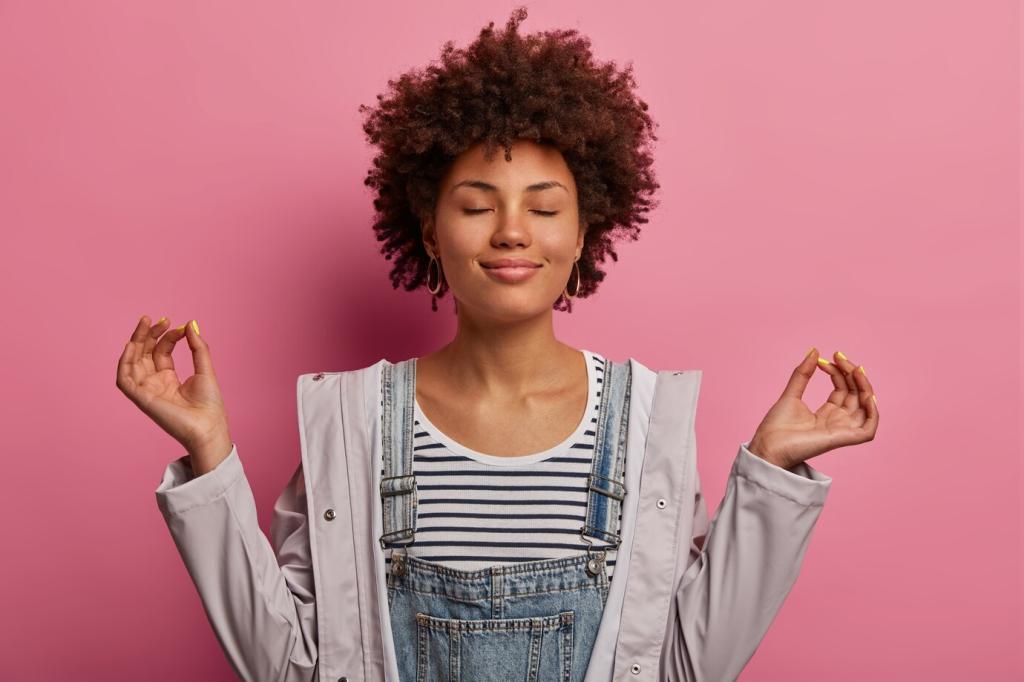
The Benefits of Merging Yoga and Meditation for Stress Reduction

Synergy in Motion and Stillness

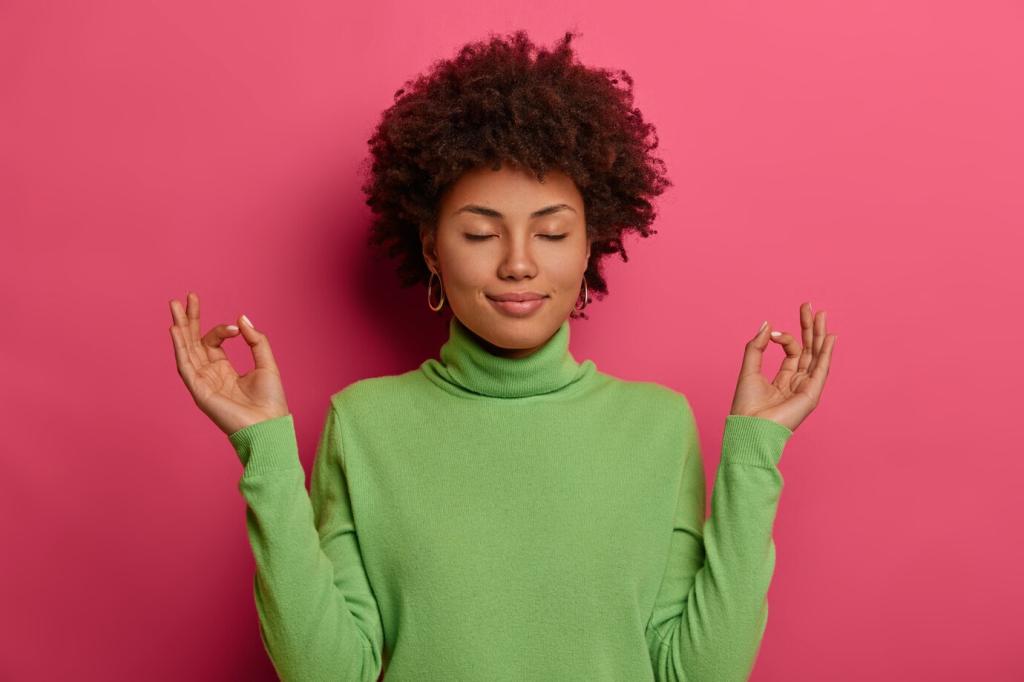
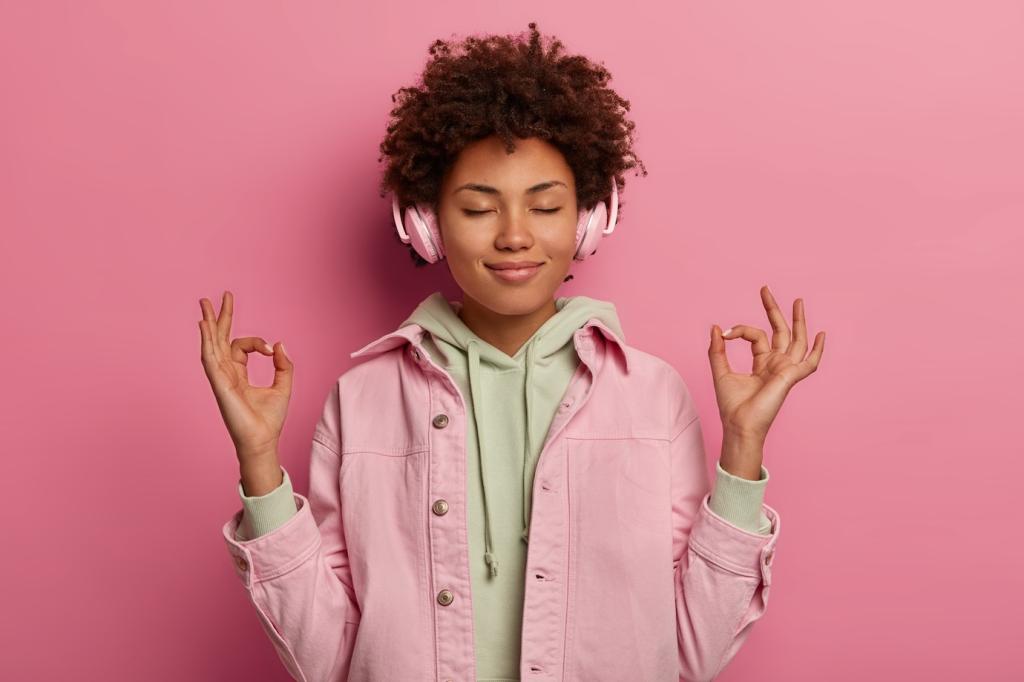
Yoga relaxes the body, making meditation easier; meditation steadies the mind, making yoga safer and more intentional. Together, they create a reinforcing loop that gently dissolves stress before it spikes.

Synergy in Motion and Stillness

Slow, coordinated breath and mindful attention can lower physiological arousal, shifting you from fight-or-flight toward rest-and-digest. This state supports recovery, emotional balance, patient decision-making, and more restorative sleep patterns.

A Stress-Soothing Daily Sequence

Begin seated, feet grounded, spine long. Inhale four counts, exhale six counts for five rounds. Notice shoulders melting and jaw unclenching as your attention returns from worries to sensing the present moment.

What Research Suggests About Combined Practice

Studies associate mindful movement plus meditation with lowered heart rate, improved heart rate variability, and reduced cortisol levels. These changes correlate with feeling steadier, thinking more clearly, and recovering from daily hassles sooner.

What Research Suggests About Combined Practice

Meditation improves attentional control, while yoga’s interoception enhances body awareness. Together they reduce rumination loops and build cognitive flexibility, strengthening resilience when work demands, family needs, or unexpected news pile up quickly.
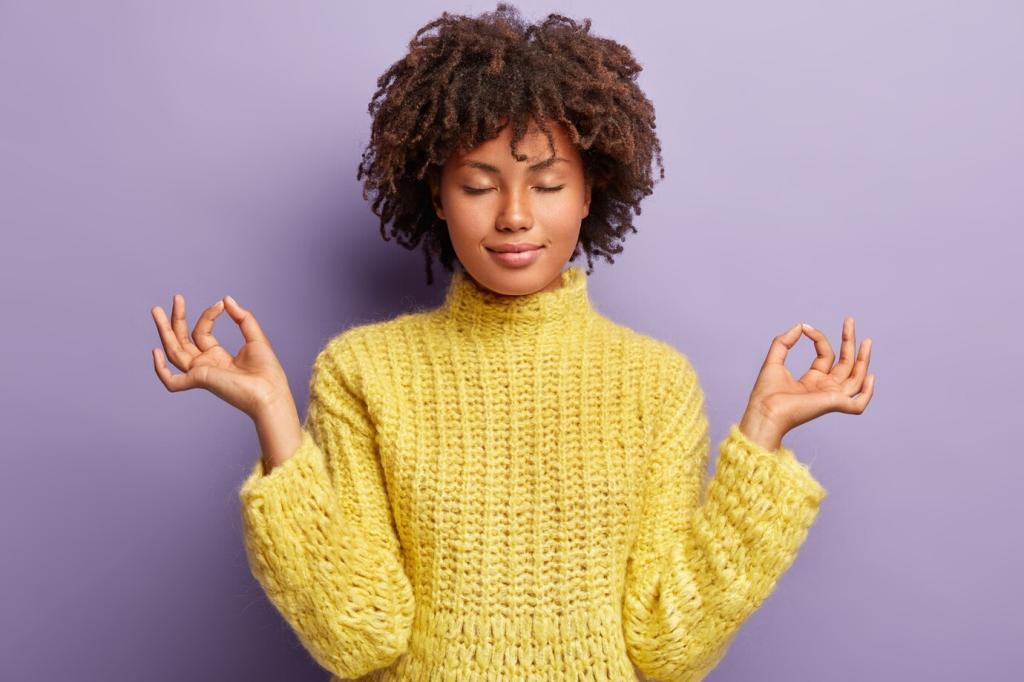

Stories from the Mat and Cushion

01
Before dawn, Maya does three sun salutations and then focuses on exhaling longer than inhaling while sitting. On crowded trains, she notices tension arriving earlier, and now meets it sooner with a compassionate breath.
02
After tough meetings, Jon stretches his back with a gentle twist, then sits for five minutes, labeling thoughts as planning or worrying. The label softens their grip, and his evening feels spacious again.
03
Lina cares for her father and felt constantly on edge. A combined ten-minute routine became a boundary of kindness, helping her respond rather than react when appointments change without warning or explanations.

Micro-Practices for Work and Home

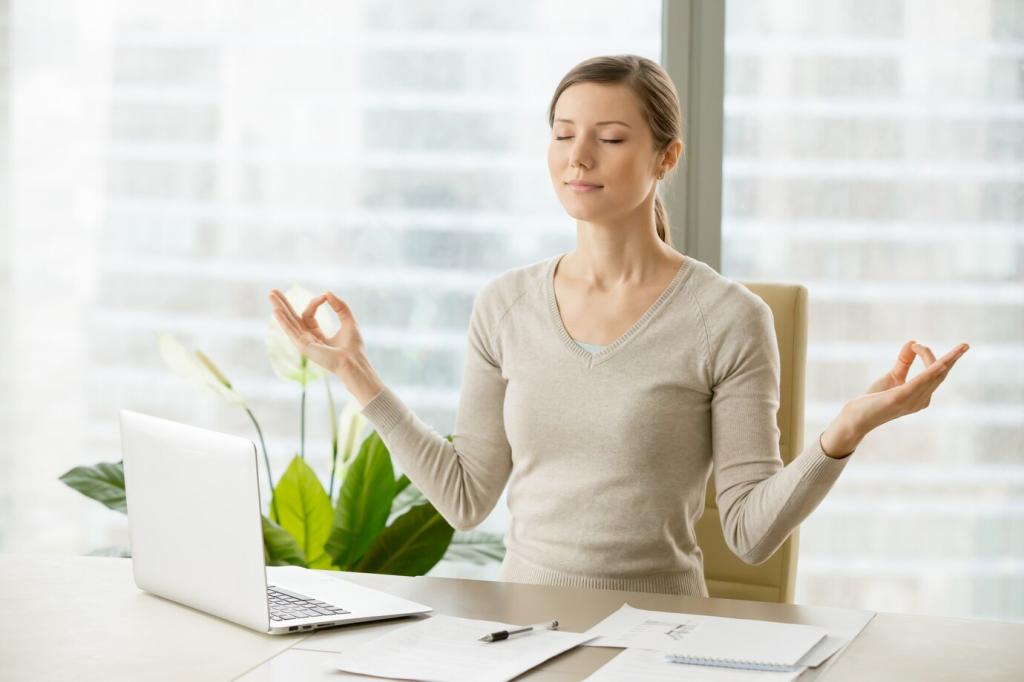
Stand, interlace fingers, and reach overhead with gentle side bends. Inhale to center, exhale to bend. Sit, close eyes, count three slow breaths. Return to tasks feeling surprisingly refreshed and more focused.

Micro-Practices for Work and Home

Before entering a room, stop at the threshold. Roll shoulders back, soften knees, inhale for four, exhale for six. Step in deliberately, carrying calm rather than the hallway’s hurried, racing momentum.

Making It Stick Without Pressure

Pair practices with existing habits: after brushing teeth, before lunch, or following evening dishes. Small, predictable anchors help your combined routine happen even when schedules wobble or surprises appear.

Making It Stick Without Pressure

Track how you feel afterward—clarity, softness in shoulders, easier sleep—instead of minutes performed. Meaningful feedback motivates consistency and reminds you why merging yoga and meditation truly helps your nervous system.
Post your favorite three-pose flow plus a one-minute meditation prompt in the comments. Your idea might support someone facing a tough week, and their feedback could refine your own daily rhythm beautifully.
After practice, jot a few lines: stress level, one sensation noticed, one helpful thought. Patterns emerge quickly, guiding which combined elements ease tension fastest for your unique body and mind.
Join our newsletter for weekly integrated routines, breath cues, and brief meditations. Reply with topics you need—sleep, focus, caregiving—and we will shape upcoming practices around your real-world stress challenges.
Go-big-bang
Privacy Overview

This website uses cookies so that we can provide you with the best user experience possible. Cookie information is stored in your browser and performs functions such as recognising you when you return to our website and helping our team to understand which sections of the website you find most interesting and useful.